Category: Travel
Exploring Irish walking routes using buses and trains
 8th February 2026
 Ireland's reputation as a walker's paradise has long been established, but what many visitors and residents alike may not fully appreciate is just how accessible many of these spectacular routes have become through public transport. The transformation of rural bus services, particularly through the Connecting Ireland initiative and the expansion of Local Link networks, has fundamentally altered the landscape of car-free hiking across the island. What was once considered impractical or impossible without private transport has, in many cases, become genuinely feasible for those willing to consult timetables and plan their journeys with care.
The evolution of public transport access to walking routes represents one of the most significant developments in Irish outdoor recreation in recent years. Services that barely existed a decade ago now provide regular connections to some of the country's most celebrated trails and peaks. This shift has been particularly pronounced in areas that were traditionally viewed as remote and inaccessible, such as the Beara Peninsula in west Cork and the Burren coastal region in Clare. The introduction of dedicated rural services has not merely improved access but has fundamentally changed the character of these areas as walking destinations, opening them up to a much broader range of visitors who previously would have been excluded by the necessity of car ownership or rental.
Understanding the current state of public transport access requires moving beyond vague assertions about nearby towns and examining the actual proximity of bus stops to trailheads. The difference between a service that deposits walkers at a village five kilometres from the start of a route and one that stops directly at a car park or visitor centre is substantial, particularly when considering return journeys, daylight hours and the physical demands of the walk itself. This distinction becomes even more critical when evaluating routes in winter months, when shorter days and unpredictable weather make long road approaches significantly more challenging.
The Dublin and Wicklow Mountains: Ireland's Most Accessible Uplands
The Dublin and Wicklow Mountains stand apart as the most comprehensively served walking region in Ireland from a public transport perspective. The combination of frequent DART services, extensive Go-Ahead Ireland bus routes and the crucial Local Link 895 service to Glendalough creates a network that rivals anything found in more celebrated European walking destinations. The Howth Cliff Walk exemplifies this accessibility, with DART trains arriving every ten to fifteen minutes throughout the day and the trail beginning immediately beside the harbour. This level of convenience extends to other coastal routes such as Killiney Hill and Bray Head, where rail services deliver walkers directly to the start of their chosen route without any need for road walking or taxi transfers.
The introduction of Local Link services SD3 and SD4, running from Tallaght to Bohernabreena and Tibradden Wood respectively, has opened up the Dublin Mountains in ways that would have seemed impossible just a few years ago. Routes such as Ticknock and the Fairy Castle Loop, once firmly in the category of requiring private transport, now enjoy direct bus access to their trailheads. This transformation has been particularly significant for Kippure, where the combination of these services provides genuine car-free access to upland walking that was previously the preserve of those with vehicles.
Glendalough represents perhaps the single most important development in Irish walking accessibility. The Local Link 895 service from Sallins delivers walkers directly to both the Upper and Lower Lake car parks, eliminating what was historically one of the most frustrating gaps in the public transport network. The Wicklow Way, Ireland's oldest waymarked trail, benefits enormously from this service, as do the popular routes around the Spinc and Glenealo Valley. The frequency and reliability of this service during the main walking season has effectively removed Glendalough from the list of destinations requiring careful timetable consultation, placing it firmly in the category of spontaneous day trip possibilities.
The more remote Wicklow routes present a more mixed picture. Lugnaquilla, Ireland's highest mountain outside Kerry, remains challenging to access without private transport, particularly when approaching via the Glen of Imaal. While bus services do reach the general area, the walk-in from the nearest stops is substantial, and return journey timing requires careful planning. Similarly, routes in the Wicklow Gap area, including approaches to Camaderry and Tonelagee, depend on infrequent services that demand advance planning and flexibility. These routes fall into the category of feasible but requiring commitment, rather than the straightforward accessibility of Glendalough or Howth.
Kerry: The Killarney National Park Advantage
County Kerry presents an interesting contrast in accessibility, with the Killarney area offering some of the finest car-free mountain walking in Ireland while more remote peninsular routes remain challenging. Killarney town functions as a genuine transport hub, with frequent rail services from Dublin, Cork and Limerick complemented by extensive bus networks serving the surrounding area. This infrastructure supports an exceptional range of walking options, from gentle lakeside strolls to serious mountain ascents, all accessible without private transport.
Torc Mountain, Mangerton and Purple Mountain form part of a cluster of routes that benefit directly from Killarney's transport connections. While these are substantial mountain walks requiring fitness and appropriate equipment, the logistics of reaching their starting points present no particular difficulty. Bus services run regularly into Killarney National Park, and the distances involved in walking from bus stops to trailheads are modest. This combination of serious mountain terrain with straightforward access is relatively unusual in Ireland and represents one of the strongest arguments for Killarney as a base for car-free walking holidays.
The Dingle Peninsula has seen significant improvements in bus service provision, with Bus Éireann route 275 and various Local Link services creating a network that supports linear walking along sections of the Dingle Way. Brandon Mountain, one of Ireland's most celebrated peaks, benefits from bus services to Brandon and Cloghane villages, placing the main ascent routes within reasonable walking distance of public transport. The peninsula's coastal routes, including sections around Inch Strand and the approaches to Dunquin, are similarly accessible, though the more remote western headlands still present challenges for those without vehicles.
The Iveragh Peninsula, home to the Ring of Kerry and the MacGillycuddy's Reeks, offers more limited public transport options. While bus services do reach key towns such as Cahersiveen and Waterville, the interior mountain routes remain difficult to access without private transport. The classic Reeks ridge walk, including Carrauntoohil, Ireland's highest peak, typically requires either a taxi to Cronin's Yard or a very long walk-in from the nearest bus stops. This situation reflects the broader challenge of providing public transport to remote mountain areas where population density is low and demand is seasonal.
West Cork: The Beara and Sheep's Head Transformation
The transformation of west Cork's accessibility represents one of the most dramatic improvements in Irish walking infrastructure in recent years. The introduction of Local Link route 263, running from Castletownbere to Allihies and continuing to the Dursey cable car, has converted what was once a firmly car-dependent region into one of Ireland's premier car-free walking destinations. This single service has opened up not just individual walks but entire linear routes along the Beara Way, allowing walkers to use the bus for repositioning and creating genuine multi-day walking possibilities without vehicle support.
Dursey Island exemplifies this transformation. The Local Link service stops directly at the cable car terminal, with multiple departures throughout the day allowing for flexible planning. What was previously an awkward destination requiring either a long taxi journey or a very extended walk from the nearest bus stop has become one of the most accessible island walks in Ireland. The island itself offers spectacular coastal scenery and a genuine sense of remoteness, all now available to those travelling by public transport alone.
The Sheep's Head Peninsula has benefited similarly from Local Link route 232, which serves Kilcrohane and provides access to the lighthouse loop and other coastal routes. The peninsula's relatively modest scale and the positioning of the bus service make it particularly suitable for day walks, with the added advantage of being less crowded than some of the more celebrated Kerry routes. The combination of dramatic coastal scenery, good paths and reliable public transport has established Sheep's Head as a model for what can be achieved when rural bus services are designed with walkers' needs in mind.
Gougane Barra, while served by public transport, presents more challenges due to limited service frequency. The location's popularity and scenic appeal make it a worthwhile destination, but the need to coordinate arrival and departure times with infrequent bus services requires more careful planning than routes with hourly or more frequent services. This situation is not uncommon in rural Ireland, where the existence of a bus service does not automatically translate to the kind of flexibility that urban dwellers might expect.
Clare and the Burren: Coastal Excellence
County Clare, particularly the Burren region and the Atlantic coast, offers some of Ireland's most reliable car-free walking opportunities. The Burren Coastal Trail benefits from multiple bus services, including Bus Éireann route 350 and various Local Link services, creating a network that supports linear coastal walking between villages such as Doolin, Fanore and Ballyvaughan. The frequency of services during the main tourist season, combined with the relatively short distances between stops, makes this one of the most flexible walking areas in the country for those without cars.
Black Head and the northern Burren coast are particularly well served, with bus stops positioned to allow for various combinations of coastal and inland walking. The terrain, while sometimes challenging underfoot due to the characteristic limestone pavement, is generally accessible and the paths are well established. The combination of geological interest, archaeological sites and dramatic coastal scenery makes this area particularly rewarding for walkers, and the public transport infrastructure supports extended visits without the need for vehicle hire.
Loop Head, at the southwestern extremity of Clare, has seen improvements in accessibility through Local Link route 339, which operates a circular service from Kilkee. While service frequency is more limited than on the Burren coast, the existence of a scheduled service to this remote peninsula represents a significant improvement over previous arrangements. The Loop Head cliff walks offer spectacular Atlantic views and a genuine sense of being at the edge of Europe, all now accessible through a combination of Bus Éireann services to Kilkee and the Local Link connection to the headland.
The Cliffs of Moher, while primarily known as a coach tour destination, are also accessible to independent walkers using public transport. Bus services to Doolin and Liscannor provide access to the cliff-top paths, though the crowds at the main visitor centre can be substantial during peak season. The coastal path extending north from the cliffs towards Black Head offers a quieter alternative and demonstrates the value of using public transport to access less visited sections of popular routes.
Mayo and the West: Mixed Accessibility
County Mayo presents perhaps the most varied picture of any Irish county in terms of walking accessibility. Croagh Patrick, Ireland's holy mountain, stands out as exceptionally well served, with Bus Éireann route 450 stopping at Murrisk directly beside the main trailhead. The mountain's cultural and religious significance, combined with this excellent transport access, makes it one of the most feasible serious mountain walks for those without cars. The ascent is demanding and requires proper equipment and fitness, but the logistics of reaching the start point present no particular difficulty.
The more remote areas of Mayo, particularly around Ballycroy National Park and the Nephin Beg range, remain challenging for car-free access despite the existence of bus services to the general area. Bus Éireann route 446 serves Ballycroy village, but the distances from bus stops to the main walking routes are substantial, and the infrequency of services makes return journey planning critical. These routes fall firmly into the category of requiring careful advance planning and a willingness to commit to long days that include significant road walking as well as the mountain routes themselves.
Achill Island, connected to the mainland by bridge, receives bus services, but the distances involved in reaching the main walking areas from bus stops are considerable. The island's dramatic coastal scenery and mountain terrain make it a compelling destination, but the practical challenges of car-free access mean that it remains more suitable for those with vehicles or those prepared to use taxis for at least part of their journey. Clare Island and Inishturk, requiring ferry connections in addition to bus travel, present similar challenges, though the ferry services themselves are generally reliable during the main season.
Mweelrea, often cited as one of Ireland's finest mountains, is accessible from Leenane village, which is served by Bus Éireann route 423. However, the walk-in from the village to the main ascent routes is substantial, typically four to six kilometres, and the return journey timing needs careful consideration. This situation is characteristic of many Irish mountain routes, where public transport reaches the general area, but the final approach requires significant additional walking on roads or tracks before the mountain route proper begins.
Donegal: Remote Beauty with Improving Access
County Donegal's reputation for remoteness is well deserved, but recent improvements in bus services have made several of its most celebrated walking routes more accessible than might be expected. Slieve League, with its spectacular sea cliffs, benefits from Bus Éireann route 490 to Glencolmcille and Local Link services to Teelin. While a walk-in of three to five kilometres is typically required from the nearest bus stops, this is manageable for fit walkers and the route itself is well established and popular.
Errigal, Donegal's highest and most distinctive peak, is served by bus services to Dunlewey, with the main trailhead approximately two to three kilometres from the nearest stops. This relatively short approach, combined with the mountain's popularity and the good condition of the main path, places Errigal in the category of feasible car-free ascents for those prepared to add the road walking to their day. The mountain's dramatic profile and the quality of the views from the summit make this additional effort worthwhile for many walkers.
Glenveagh National Park presents an interesting case, with bus services reaching Churchill and the park offering its own shuttle services during the main season. The estate road walk from the park entrance to the main walking areas is approximately four kilometres, but this is on good surfaces and through attractive scenery. The park's network of waymarked trails, combined with this reasonable access, makes it one of Donegal's more accessible walking destinations for those without cars.
The more remote areas of Donegal, particularly in Inishowen and around Malin Head, have seen some improvements in Local Link services, but these remain areas where careful planning is essential. Route 954, serving Malin Head from Carndonagh, represents a significant improvement in access to Ireland's most northerly point, though service frequency remains limited. The dramatic coastal scenery and the sense of remoteness make these areas compelling destinations, but they require more commitment and flexibility than more accessible regions.
The Mournes: Northern Ireland's Accessible Mountains
The Mourne Mountains in County Down stand out as one of the most accessible serious mountain areas in Ireland, rivalling even Wicklow in terms of public transport provision. Ulsterbus route 20, running between Belfast and Newcastle, provides frequent services throughout the day, with Newcastle town serving as the base for an exceptional range of mountain routes. Slieve Donard, Northern Ireland's highest peak, can be reached directly from Newcastle town centre, with the main path beginning at the edge of the built-up area.
The concentration of high peaks within walking distance of Newcastle creates unusual opportunities for car-free mountain walking. Slieve Commedagh, Slieve Bearnagh and Slieve Binnian, all substantial mountains requiring fitness and navigation skills, are accessible from the same transport hub. The Mourne Wall, running across the summits of fifteen peaks, provides a navigational aid and a focus for longer mountain days, all achievable without private transport. This combination of serious mountain terrain with excellent public transport access is relatively rare and makes the Mournes particularly attractive for car-free walking holidays.
The lower Mournes and the coastal areas around Newcastle offer gentler alternatives, with forest walks and coastal paths providing options for those seeking less demanding routes. The Bloody Bridge area and the approaches to the Silent Valley reservoir are similarly accessible from Newcastle, creating a range of walking possibilities to suit different abilities and ambitions. The town's facilities, including accommodation, shops and outdoor equipment suppliers, support extended stays focused on walking.
The Midlands and East: Rivers and Canals
The canal and river walks of Ireland's midlands and east represent a different category of walking, generally flatter and more suitable for those seeking gentle exercise rather than mountain challenges. The Royal Canal Way and Grand Canal Way both benefit from excellent public transport access, with numerous rail stations and bus stops along their routes. These linear routes are particularly suitable for one-way walks using public transport at both ends, avoiding the need to return to a starting point.
The Barrow Way, running from Lowtown in County Kildare to St Mullin's in County Carlow, offers similar opportunities, with rail access at several points and Local Link services filling gaps in the network. The towpath walking is generally easy underfoot, and the gradients are minimal, making these routes accessible to a wide range of abilities. The combination of waterside scenery, historical interest and practical accessibility makes these routes particularly valuable for those new to walking or returning to activity after injury or illness.
The Boyne Valley, with its concentration of archaeological sites and historical significance, offers walking opportunities that combine cultural interest with outdoor activity. Bus services to Navan and other towns along the river provide access to various sections of riverside paths, though the network is less developed than the canal routes. The Boyne Ramparts Walk and other waymarked routes in the area benefit from reasonable public transport access, though some sections require more careful planning than the main canal routes.
Practical Considerations for Car-Free Walking
The reality of car-free walking in Ireland requires understanding several practical considerations that go beyond simply identifying which routes have nearby bus services. Service frequency varies enormously, from the multiple trains per hour on the DART to the once or twice daily Local Link services in remote rural areas. This variation has profound implications for planning, particularly regarding return journeys and the consequences of missing a connection.
Timetable consultation is essential, and the assumption that services will be frequent, or that approximate timings will suffice, is dangerous. Many rural services operate only on certain days of the week, and bank holiday schedules often differ significantly from normal patterns. The TFI (Transport for Ireland) journey planner and individual operator websites provide the necessary information, but this needs to be checked close to the date of travel as schedules can change, particularly for Local Link services which may be seasonal or subject to funding variations.
Weather considerations become more significant when dependent on public transport, as the option of simply waiting out a shower in a car park is not available. The commitment to a particular return bus or train means that route planning needs to account for the possibility of deteriorating conditions and the need to turn back with sufficient time to reach the departure point. This is particularly relevant for mountain routes where weather can change rapidly and where the consequences of missing the last bus of the day could be serious.
The question of luggage and equipment also requires consideration. While day sacks present no particular difficulty on public transport, larger rucksacks for multi-day walks can be awkward on busy services, particularly during peak commuting times. Some services, particularly rural buses, have limited luggage space, and advance consideration of this can avoid difficulties. The increasing acceptance of outdoor equipment on public transport has improved this situation, but awareness of other passengers and peak times remains important.
Seasonal Variations and Service Changes
The seasonal nature of many walking routes is matched by seasonal variations in public transport provision. Summer enhancements to services in tourist areas can make routes feasible that would be impractical during winter months, while the reduction in daylight hours during winter makes the timing of return journeys more critical. The combination of these factors means that a route that is straightforward in July might require significantly more planning and commitment in December.
Local Link services, in particular, often operate on seasonal schedules, with enhanced provision during summer months and reduced or suspended services during winter. This pattern reflects both tourist demand and the practical challenges of operating rural services during periods of lower usage. The Connecting Ireland initiative has improved the stability of some services, but the underlying pattern of seasonal variation remains significant in many areas.
Bank holidays and school holidays can bring both opportunities and challenges. Enhanced services on some routes during holiday periods can open up possibilities that do not exist during term time, but increased crowding on popular routes and services can make the experience less pleasant. The balance between accessibility and overcrowding is particularly evident on routes such as Croagh Patrick during the main pilgrimage season or Glendalough on summer weekends.
The Future of Car-Free Walking in Ireland
The trajectory of public transport provision for walking access in Ireland appears generally positive, with the Connecting Ireland programme representing a significant commitment to rural connectivity. However, the sustainability of these improvements depends on continued funding and political will, both of which can be subject to change. The experience of previous decades, when rural bus services were progressively reduced, provides a cautionary reminder that progress is not inevitable and that gains can be reversed.
The integration of walking and public transport in tourism promotion remains underdeveloped compared to some European countries, where car-free access to mountain areas is actively marketed and supported. The potential for Ireland to position itself as a destination for sustainable tourism, where visitors can access spectacular walking routes without contributing to traffic congestion or parking problems, has not been fully realised. The infrastructure improvements of recent years provide a foundation for this, but the marketing and promotion aspects can lag behind the practical provision.
The role of technology in supporting car-free walking continues to evolve, with journey planning apps and real-time service information making the logistics of public transport use more manageable. The TFI Go app and similar tools have improved the accessibility of timetable information, though the multiplicity of operators and ticketing systems can still present challenges for visitors unfamiliar with the Irish transport network. Further integration of these systems would enhance the practical experience of car-free walking.
The environmental arguments for reducing car dependency in accessing walking routes are becoming more prominent, though they have not yet translated into major policy shifts. The contradiction of driving to walk in natural areas is increasingly recognised, and the availability of public transport alternatives provides a practical response to this concern. The extent to which this awareness translates into changed behaviour and increased use of public transport for walking access remains to be seen, but the infrastructure improvements of recent years have at least made this choice more feasible for those who wish to make it.
The current state of car-free walking in Ireland represents a significant improvement over how things were a decade ago, with genuine opportunities now available across much of the country. The concentration of excellent access in areas such as Wicklow, Killarney, west Cork and the Mournes provides strong foundations for car-free walking holidays, while improvements in more remote areas have expanded the range of possibilities. The challenges that remain, particularly regarding service frequency in rural areas and the distances between bus stops and some trailheads, are real but not insurmountable for those prepared to plan carefully and accept some limitations on spontaneity. The overall picture is one of genuine progress, with the potential for additional enhancements if current trends continue and if the value of public transport access to walking routes continues to be recognised in transport planning and funding decisions.
A year with much city hopping around Ireland, Switzerland and elsewhere
3rd November 2025 While you can plan as much as you like, a year never turns out quite as you hope. For me, that has been the story of 2025. A hoped for trip to Canada could not happen, necessitating a booking cancellation. The need to get more freelance work in a tough market simply weighed on everything else. Having addressed that need, it is only now that I can begin to look ahead again, even though a busy work life takes from that a bit.
This also got in the way of wilderness wandering, which meant my getaways involved cities most of the time, even if adjacent countryside also saw my footfall there. Also, booking a place to stay forces you to get going more than dangling the prospect of a day trip before you in circumstances like what I have experienced this year. That more likely made my excursions urban than they otherwise might have been.
Cork Residencies
January began in Cork, Ireland’s second city because of my spending Christmas there in somewhere that I have as an Irish base. My search for freelance work had begun without my realising the arduous road ahead of me. Otherwise, it was time to haul myself outside around such places as Blarney and Kinsale when a certain torpor could prevail otherwise. Before I left for the UK in the middle of January, a property matter was set in place that would close later in the year.
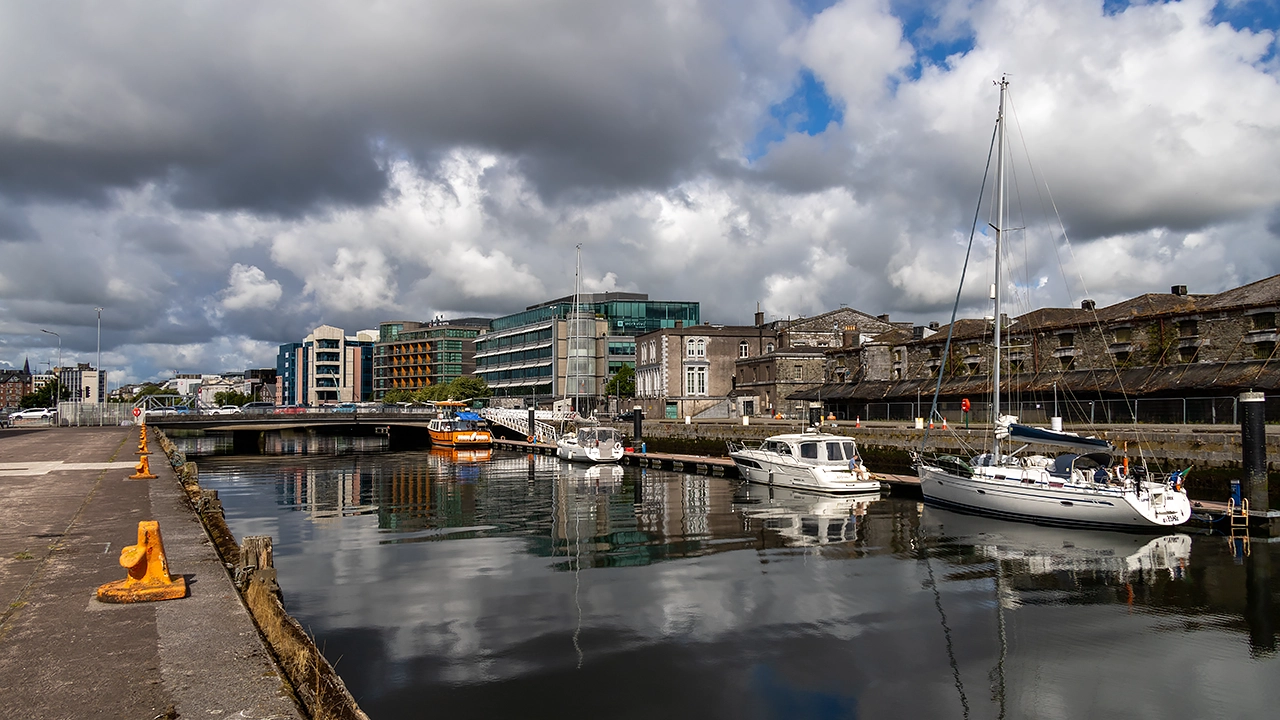
April would see me return, first for a weekend visit, searching for items that I needed to send to someone else and recovering after another discussion about new work came to nothing. The recovery was helpful, while the search remained fruitless in the interval before I returned for an Easter residency that allowed me to visit Cobh and Kinsale again, among other things. Then, my time was spent away from other city landmarks like its English Market, the north side’s Shandon area, University College Cork, Mardyke or Fitzgerald’s Park. Other things were on my mind.
A funeral was the cause of my returning at the end of July. Apart from saying goodbye to an elderly relative, things were otherwise upbeat thanks to my commencing a new contract and getting out in the sunshine for some pleasant walks around by Blackrock Castle and Cobh on consecutive evenings; this is an area that is much influenced by its harbour and estuary. However, it felt too short a rendezvous, ensuring that a return is in mind as soon as a space comes up for such a venture.
Swiss Getaways
May brought a near miss with getting work organised and that left me feeling morose. Having felt on the fringes for too long, a conference trip to Geneva came not before time, even if it may have scuppered that earlier opportunity. These just in time searches are very fragile things, as I was to discover in June, albeit without any real consequences that time aide from feeling saddened at having to choose something else.
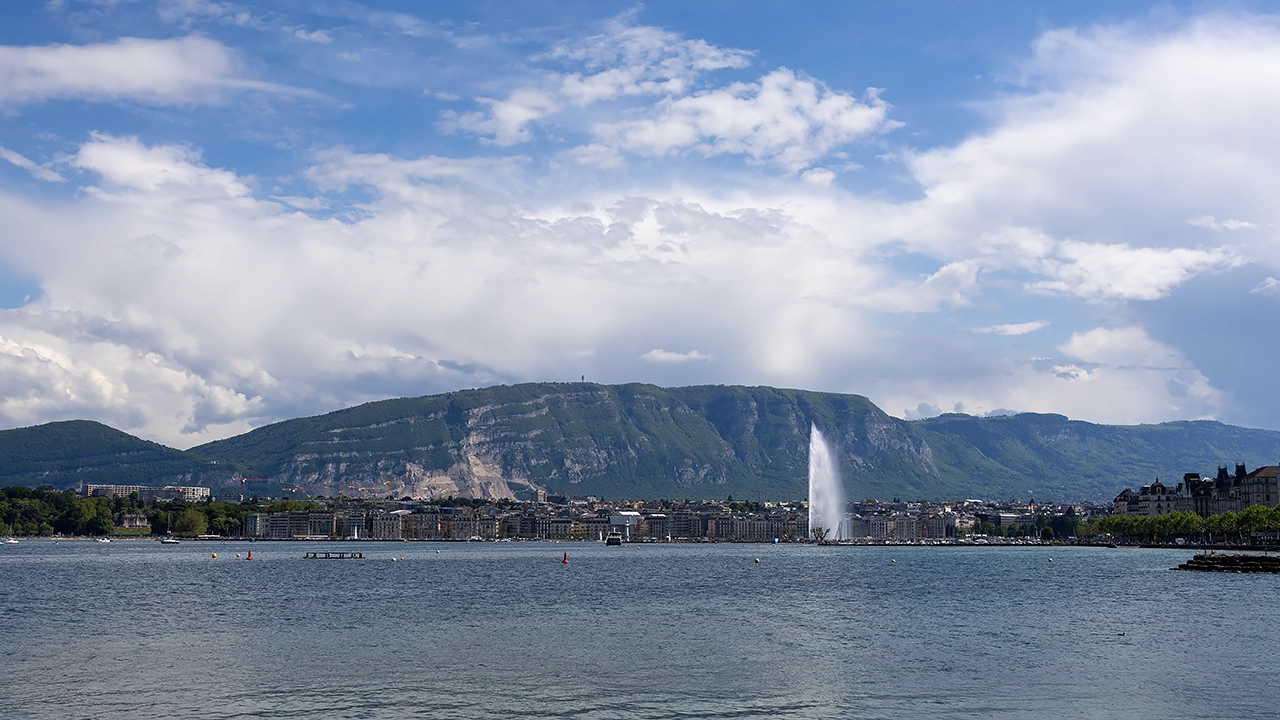
Sunlit evenings in Geneva ensured that I became sated with what the city offered, along with some complementary weekend sampling along Via Jacobi from Coppet back to Geneva. Landmarks familiar from a stay in September 2015 like Jet d’Eau, the banks of the Rhône and Lake Geneva were again frequented, while the cobbled streets of the old town climb to the Cathédrale St-Pierre offered new perspectives. Later that week, a certain amount of repetition aroused a need for novelty that propelled me to Bern for a glorious evening of strolling that did me a lot of good as I traipsed its loop of the River Aare, another first since September 2015.
Other prospects like Zurich and Lucerne appealed during my time in Geneva, until I saw the travel times were longer than I fancied. They offered a platform for a bank holiday getaway before which things began to look up for me a little. Lucerne was where I spent the better day of the trip, leaving Zurich to be explored in mixed weather. That limited photographic activity, yet it did not stop me embarking on a return sailing on Zurichsee that got me as far as Rapperswil, where I spent a good deal of time strolling around there and Pfäffikon under seemingly improving skies.
Since Zurich left an itch to scratch, a return ensued as May ended and June began. Hot sunshine was the enduring weather challenge this time around, even if it did little to stop me strolling along the shores of Zurichsee after following the banks of the Limmat or even along the banks of the River Rhine in Basel with that striking proximity to France and Germany.
Additional evening ambling around Zurich after returning from the latter led me into that city's nearby woods. There, I found an abundance of quietude that was healing, a refuge from the pervading uncertainty in my life. It was much needed and would have reached deeper into my psyche if my work life had been going better. It was quite a counterpoint to all activity around each city's Münster.
Passage through Paris was an element in all this journeying too, albeit far more briefly than during my travels in 2024. The first time was as part of a train journey conveying me all the way from Geneva to Macclesfield, while the second would have been the Zurich equivalent except for its expense. Then, it was Paris Charles de Gaul airport that was my exit point from continental Europe, a much quicker journey, albeit not one that was without its occasions for relaxation either.
British Trials, Solace and Celebration
While the Irish and Swiss segments of this piece have a certain chronology to them, even with Irish trips bookending the Swiss ones, the British portion does a spot of time hopping around each of them. First, there was the January return to the UK, after which I attended to numerous other matters that lay outstanding, possibly affecting my search for new freelancing work.
When meetings with a potential client came to nothing, I decided to break things up with weekend trips to Edinburgh and London. These mixed up revisiting old haunts with seeing new places while I rebooted my search for work. It was going to be out in the sunshine rather than being downbeat at home. My work strategy was getting a shake up too, which set the scene for coming months. Success would take time to come, meaning that there would be another trip to London early in June to attend a conference before everything came together.
Yet Another Scottish Incursion
When it did, there was cause to celebrate, albeit quietly. Before commencing a new contract, I headed north to Inverness, ticking off one last item from my excursion list for my time between contracts. It was in my head for the autumn of 2024 and might have happened if I could lure myself away from Ireland for longer during that September.
The ideas were rural in the main: Fionn Bheinn near Achnacarry, the Great Glen Way between Drumnadrochit and Inverness and the South Loch Ness Trail from Foyers or Dores back to Inverness. In the end, I opted for the first two, partly because of having better public transport options.
Even so, there was an evening spent in the highland city itself, pottering around the Ness Islands and passing Inverness Castle. On the trail back from Drumnadrochit, I briefly encountered the Caledonian Canal, though I did not spend as much time along its towpaths as on a previous visit as 2023 transitioned into 2024.
Eastern Quests
Norfolk, Suffolk and Cambridgeshire drew me away from home in July at a time when going east meant gaining cooler weather. This again was a mix of urban and rural, with much traipsing by the orienting River Wensum as well as a visit to Whitlingham Country Park. The medieval sights were surveyed too, especially around its cathedral close and its quiet green space within the city. There was time to traipse between Brandon and Thetford, shadowing the Little Ouse and passing through The Brecks under ever clouding skies. Those dented my brief visit to Ely and denied me photographic satisfaction there, ensuring a reprise two months later.
Though Ely was my target, I stayed in Cambridge because of its better accommodation options. A short train journey was all it took for me to see Ely's cathedral on a sunnier day, its unusual lantern tower drew a share of my attention before I pottered out of the city while skies broke over my head. Some rural ambling shadowing the Great Ouse showed me just how much of a landmark those cathedral towers make when viewed from the level, drained ground around the city. A return to its heart sated my photographic desires before another stroll by the river took me back to the train station under again clouding skies. Time had been called on my visit without causing any umbrage in my mind.
There was time to revisit Cambridge, too, to see and photograph different sights before I left for home. Advancing cloud cover again spurred me on to the train station after a sunny morning of ambling around the Backs, among other places. Different places were open compared with a previous encounter from years before. The River Cam was busy with punts and I left them to their way. Pembroke College saw me tarrying a while before I continued on a journey that was ending a sequence of summer jaunts, mainly urban but at times rural too.
A Southwestern Incursion
There was some time hopping above too: the two eastern excursions encapsulated a first trip to Devon and Cornwall. Again, cities pervaded with time spent around Exeter and Plymouth. Penzance became the Cornwall terminus for my rambling, allowing me to see the county's scenery from a passing train. While Exeter's cathedral and its surroundings clearly were a draw, they did not keep me away from the Riverside Valley Park, bounded both by the River Exe and the Exeter Canal. Exmouth was another location that lure, causing me to wander the coast a little too much for my own comfort given the advancing end of the hours of daylight. Nevertheless, this dalliance with the South West Coast Path did not result in ruin either, and Penzance became another, though my previous adventuring had tamed designs on an out and back trot to St. Michael's Mount. Thus, I made it home without any misstep.
Looking Ahead and Looking Back
There are upcoming business trips to Germany ahead of me, so the city hopping is not over for this year. Mainz is to be the location for a client meeting, with Frankfurt's airport proving essential for convenient travel. Because of the nature of the trip and the time of year, exploring will be at a premium, though. This also would be my first-ever overnight stay in Germany, only for the second likely to soon follow it: a conference trip to Hamburg. There, my time will be more my own, so more may come of it, though uncertainty pervades those possibilities.
A return to Cork for a longer spell is in my mind too, even if one cannot hope for too much when the hours of darkness are longer; an Easter stay would be better on that score. Beyond that, another conference could draw me to Italy for the first time. The venue is Milan in a time when hours of daylight are more amenable to personal city explorations. Since this is quite a time away yet, plans are not at all firm at this stage.
On reflection, there was a lot of temporal toing and froing in the above, unlike any rivers that flowed in only one direction. That was the sacrifice caused by focussing on locations to provide a thread holding together the whole account. Returning to the hydrological theme, it may have made the account tidal in places.
Another theme was what eventually became a successful search for freelance work, one whose busyness perhaps keeps me away from gallivanting as much the technological novelties that are coming my way. Reading is happening in parallel and something may stick there too, even if it feels far too premature to be considering summer holidaying plans. Last year's hubris does sit so well now.
Tracing footsteps in England’s eastern counties, gathering ideas for more distant escapades
19th July 2025 The summer of 2025 is quieter for me than this time last year; the main need is to get in some freelance revenue now that I have an opportunity to do so. Summertime gallivanting that happened in previous can await because other things matter more right now. Today is wet where I am writing these words, a contrast to last weekend when I pottered off to England's eastern counties seeking some respite from high temperatures.
Then, there was some strolling around Norwich that took me as far as Whitlingham Country Park before I hiked from Brandon to Thetford in advance of a brief visit to Ely. The time was short yet much could be made of what was available, though returning to Ely under brighter skies remains a possibility; Saturday grew more sunny while Sunday grew more cloudy as the respective days wore on.
Otherwise, I have returned to unread copies of Wanderlust magazine to collect ideas for future overseas escapades. My time between contracts appears to have emptied my ideas list, though the need to get revenue-earning freelancing going again cast its own shadow too. With a new start being made, there appears to be opportunity for thinking ahead again.
Online reading is all very good, but perusal of a print magazine allows things to soak in more readily, especially when some relaxation involved. Thus, prospects like hiking trails near Gothenburg or exploring Germany's medieval heartland all beckon. The upheavals on the other side of the Atlantic may pause such designs for now, maybe allowing Antipodean explorations to come to pass. Given how advanced this year is in its lifetime, collection of ideas and collation of possibilities sounds more sensible at this stage.
While last year allowed me to see much of Ireland, the concentration in the province of Munster necessarily meant that other places did not get a visit, and there is much over there. Thus, I remain a subscriber to newsletters from MountainViews. Since these can be lengthy, they can be lengthy; printing them out can be a better idea at times. In any case, here is a synopsis of the latest issue for your perusal:
July 2025 marks a poignant yet celebratory edition of the MountainViews Newsletter, a staple read for hillwalkers and hikers traversing the Irish landscape. As the newsletter unveils a new format that harmonises well with both mobile devices and traditional desktops, it simultaneously honours the legacy of the late Brendan O'Reilly, a cornerstone figure in the MountainViews community. The obituary penned in his memory captures the richness of his contributions, illustrating a man whose passion for hillwalking defied the challenges of gruelling weather and punishing terrains. Brendan's journey of summit bagging, which led him to be the first to complete the Arderin list, is remembered not just for the peaks scaled but for the modesty with which he celebrated his adventures.
In tandem with this tribute, the newsletter also delivers an array of content aimed at invigorating the hiking community. Readers are treated to evocative photo essays that capture the majestic scenery from Ireland's summits, as well as those further afield in places like Patagonia and Spain. Journal entries guide enthusiasts through recent explorations, with highlights on the grandeur of Kippure in Dublin and a deep dive into Welsh County Highpoints, which promise rewarding challenges for those eager to venture beyond familiar terrains.
In true MountainViews spirit, the newsletter extends an invitation for suggestions and volunteer involvement, signifying a collective aim to enhance the quality of its offerings. Sprinkled throughout are engaging accounts detailing both local and international hillwalking exploits. From vivid recollections of a mystical trek in Donegal made remarkable by dry boots and blue skies, to an enticing glimpse into Welsh County Highpoints like Moel Sych and Holyhead Mountain, these stories illustrate hillwalking’s profound capacity to connect us with nature and with each other.
The edition does not shy away from addressing practicalities, touching on the intricacies of accessing some of the more secluded Irish treasures. Its discourse spans experience-based advisories on navigating challenging terrains such as Knocknagussy’s southern face or venturing to the isolated Cullinmore via a scenic Galway route. Such articles underline the newsletter's commitment to being an invaluable resource, combining anecdotal wisdom with meticulous factual detail.
For those with a penchant for exploring, the newsletter lists challenge walks for 2025, detailing both the triumphs of events like the Galtee Challenge and forthcoming commitments such as the Joyce Country Challenge. Meanwhile, video content from seasoned hillwalkers like Peter Nevin offers viewers secondhand adrenaline from treks in remote Scottish landscapes.
Adhering to a dynamic and authoritative tone, MountainViews continues to serve as a bastion of inspiration and information for its readership. As it adapts to new technological platforms, it remains steadfast in its mission to foster a community relieved in sharing the beauty of hillwalking, the personal stories of its adventurers, and the power that comes from understanding and appreciating the natural world. Whether honouring past contributors or preparing for future adventures, this edition of the newsletter stands as a testament to both continuity and change in the ever-evolving landscape of hillwalking in Ireland and beyond.
The above punctuates a life that is otherwise oriented for now. Nevertheless, the act of reaching for pen and paper while seeking new places to explore seems opportune.
A case for division
30th November 2024 In August 2022, I embarked on a longer break in Ireland without attending to any business matters over there. This became my annual summer getaway in the spirt of others that took me to Scotland, around Continental Europe and to North America. It also followed a longer stay centred in Galway during August 2018 that was accompanied by mixed weather as I explored parts of the counties of Clare and Galway.
Unlike the 2018 escapade, the 2022 counterpart was split between two bases because of cost consciousness. The first was Killarney, a place where I had long fancied spending more time. The day trips in April and June of the same year only whetted my appetite for such a venture. The resulting three-night stay and accompanying long days of traipsing gave much in the way of satisfaction, yet there are reasons for returning even at the time of writing these words.
The second was Cork city. Bantry, Whiddy Island, Kinsale and Cobh all featured, as did Clogheen and the Knockmealdown Mountains in County Tipperary. Temperatures were increasing all the while as I explored, reaching a crescendo at the end of the week before cooling down again. This was a contrast to the cooler weather around Killarney, with occasional wettings to remand me where I was.
These portions are so distinct that I am going to split the account of the trip in two. Since the accounts likely will be lengthy anyway, going about writing them in this way likely will make them more readable afterwards. Thus, I will bring to a close the relating of a trio of Irish excursions that set the scene for my traipsing this year.
Looking through the transport arrangements brought something home to me that I had not noticed before. My time in Killarney needed very little moving around: everything was near enough on my doorstep there. Thus, long days on foot either started from and/or ended at my accommodation; there was little need to go anywhere else. In Cork, I often left the city to visit other places. Shorelines were closer there than hills or mountains.
That contrast reminds me that my new base in Ireland needs supplementing with hotel stays in other places to make the most of what lies near them. While writing the account of a stay in Tralee, this really struck me; Dingle is not an easy day trip from Cork city when using public transport. Even West Cork is easier to savour with an accommodation base over there, and the same could be said for Galway, Mayo, Donegal and Wicklow. Much is nearby, and more is further away.
Filling in gaps and reorganising what became unwieldy
7th November 2024 The travelogue has seen quite an amount of attention in the last few weeks. Firstly, a lot of content has been added or refreshed. Destination directories have become more informative articles, giving rise to new sections for Canada and the U.S.A. The former Alpine and Pyrenean article for Europe has been split up into its own section. Other sections have been renamed and many articles retitled.
The enabler for all this flurry of changes has been the advent of GenAI; it is now possible to automate a lot of the effort. It still needs human oversight and can be heavy work from time to time. As with human help, not every tool is as effective as one might like it to be. Getting to know such foibles is becoming essential for the world of work.
The gap filling also happened around here as well. Wherever there was a collation of websites, descriptions were added. In one case, a more narrative form was made from what was there; it is the outdoor pursuits inspiration piece that was progressed like that. In time, that may be the way that things go in other places, too. If you want to check what has happened, all the activity was in the resources section. The collations of long-distance trails and online retailers are among the beneficiaries.
While changes may have been dramatic thanks to new text processing technology, much remains unaltered. While the appearance may get attention sometime, that is not a priority for now. Trips remain human written anyway; the technology does not do all for us anyhow. You may have notes, but a machine can only do so much with them; it cannot carry over your personal touch that well or easily.
It all takes my back to university days, when a lecturer found regurgitated errors in someone else's work. Then, the advice was to use the efforts of others for inspiration, not transcription. That remains ever more relevant in the times in which we now live. We need to learn how to use the new machines to help us, and that will be a longer process with its share of slips and trips before everything gets consolidated again.


